
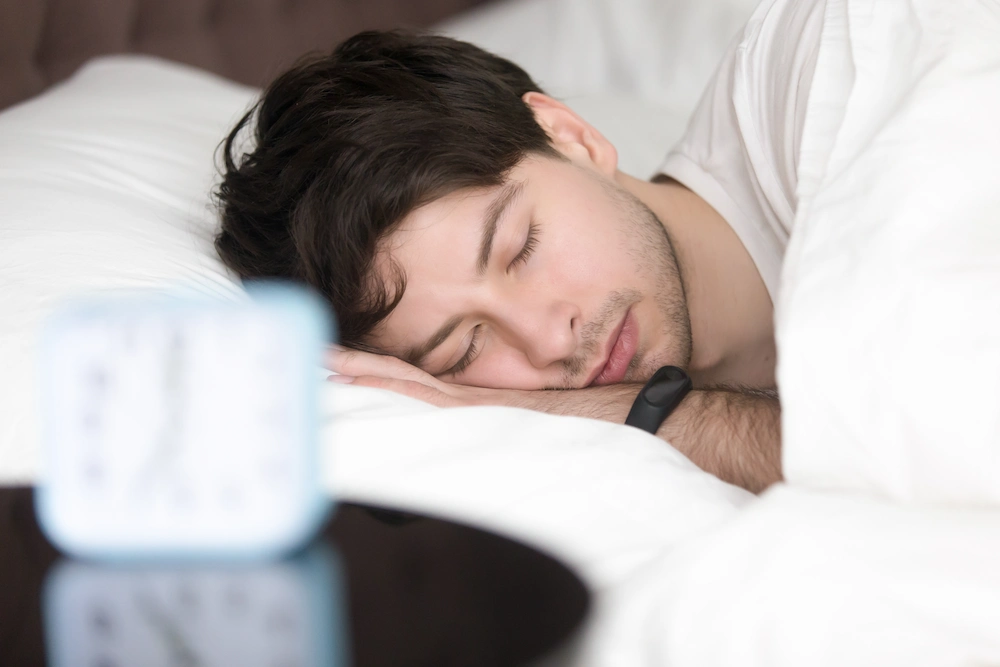
Chiropractic care for sleep focuses on the physical side of poor rest: the pain, stiffness, and muscle tension that make it hard to get comfortable. It doesn’t treat sleep disorders, but easing that discomfort may help some people settle more easily at night. For people in Olympia Heights whose sleep is disrupted by aches and tension, here’s where chiropractic care may help and what you can do at home.
Three Physical Barriers That Keep You Up
Neck and back pain
It’s hard to relax into sleep when your body won’t cooperate. Neck pain and back pain make it tough to find a comfortable position, and a stiff, aching frame keeps pulling your attention back to it.
Pain and poor sleep also feed each other. Discomfort makes it harder to sleep, and a bad night can lower your tolerance for pain the next day, which makes everything feel worse.
Muscle tension
When stress carries into the evening, your muscles stay tight and your mind stays busy. Tension in the neck, shoulders, and back is a poor recipe for winding down.
Your sleep position and pillow
How you sleep affects how your spine feels in the morning. Back and side sleeping tend to keep the spine in a more neutral position, while stomach sleeping often twists the neck and strains the low back.
Support makes the difference. A pillow that fills the gap between your neck and the mattress helps, and side sleepers often do better with a pillow between the knees.
How Chiropractic Care May Help You Sleep
Chiropractic care focuses on how the spine and joints move and on easing the muscle tension around them. When those physical barriers ease, it may be easier for some people to get comfortable and relax at night.
People sometimes notice:
- Less pain and stiffness that would otherwise interrupt sleep
- Reduced tension in the neck and back at bedtime
- An easier time settling down once discomfort eases
These effects vary, and progress is usually gradual rather than overnight. We won’t promise a timeline. If pain is regularly waking you or keeping you up, mention it at your visit so Dr. Peter Jimenez can factor it into your care. You can read more about how we build each plan in our approach to care.
Habits That Support Better Sleep
A few basics make a real difference alongside care. Keep a consistent sleep and wake time, dim screens in the hour before bed, and keep your room cool and dark.
A simple wind-down routine helps your body get the signal that the day is ending. Dimming the lights, gentle stretching, or a warm shower all work. The specifics matter less than doing something similar each night.
Daytime habits count too. Regular movement, sunlight early in the day, and limiting caffeine in the afternoon all support a healthier sleep rhythm.
Sleep and stress often travel together. If a busy mind keeps you up as much as a sore back, our guide on chiropractic care and anxiety looks at that side of the picture.
When Sleep Problems Need a Doctor
Some sleep issues need medical evaluation, not chiropractic care. See a doctor if your insomnia is ongoing, if you snore loudly and gasp or stop breathing during sleep, if you feel very drowsy during the day, or if poor sleep is affecting your mood and daily life.
Conditions like sleep apnea are common and treatable, but they need a proper diagnosis. Chiropractic care is meant to complement medical care, and we never advise stopping a treatment your doctor has prescribed.
Sleep Better
If pain or tension is getting between you and a good night’s rest, call (305) 667-1188 or get in touch through our contact page to schedule a visit at Accurso Chiropractic Center in Olympia Heights.